




Liebe Seele
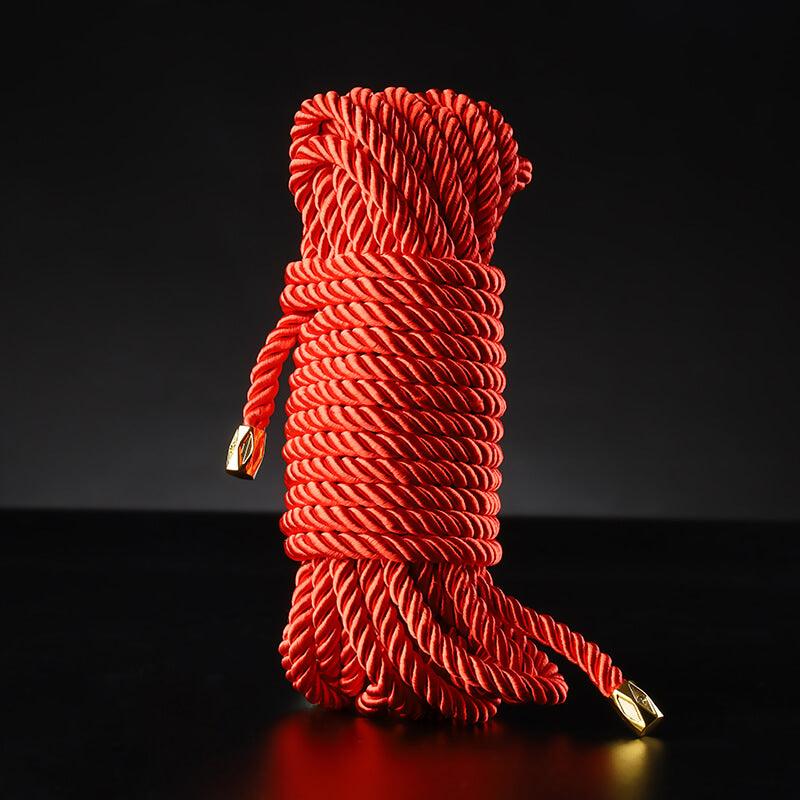
Liebe Seele Red Shibari Bondage Rope Silky Cotton Rope 10m & 5m
$14.95



Every Answer You're Too Awkward to Ask
In this sex-ed wiki article, we will explore Kinbaku. You will learn what it is, where it comes from, how it is understood culturally, and how it fits into modern perspectives. Kinbaku is a Japanese form of rope bondage that blends beauty, trust, and emotion. It started as a traditional art and has grown into a practice that many people around the world now enjoy in their intimate lives.
Kinbaku is the Japanese art of tying a partner with rope in careful and decorative patterns. The focus is on the feeling of restraint, the beauty of the ropes against skin, and the connection between the person tying and the person being tied. It is done slowly and with attention, creating shapes that can look like art.
Many people use the words Kinbaku and Shibari as if they mean the same thing, but there is a small difference. Shibari is the general Japanese word for tying or binding with rope. It can describe any kind of rope work, even practical or non-sexual uses. Kinbaku, on the other hand, specifically refers to the erotic and artistic style. It puts strong emphasis on beauty, emotion, tension, and the sensual connection between partners. In short, all Kinbaku is Shibari, but not all Shibari is Kinbaku. Outside Japan, most people simply say Shibari for everything, while serious practitioners prefer the term Kinbaku when talking about the deeper, more aesthetic approach. You canlearn more about Shibari in a separate wiki article here.
Kinbaku grew from older Japanese rope traditions. In the past, ropes were used in martial arts and by police to restrain people. Over time, artists and performers turned these practical ties into something more creative and sensual. It became popular in Japan after World War II through underground theater and photography. Today it is still practiced in Japan, though many people outside Japan have also discovered and adapted it.
People usually practice Kinbaku in private with a trusted partner. One person acts as the rigger (the one who ties) while the other is the model or bottom. They use soft natural fiber ropes, often jute or hemp. The tying follows patterns that feel secure but allow safe blood flow. Communication and checking in with each other are very important. Some enjoy it for the visual beauty, others for the emotional closeness it creates. Younger people and international communities sometimes mix it with other styles or make it more playful.
In Japanese culture, Kinbaku carries ideas of trust, surrender, and beauty in restraint. It is not just about physical tying. It can represent letting go of control and feeling deeply connected to another person. For many, it becomes a form of meditation or emotional release. One natural human observation is that many who try Kinbaku say the real power comes from the quiet moments between the ties, when breathing slows and both partners feel completely present with each other.
Kinbaku is less hidden than before. It has spread far beyond Japan and appears in art shows, workshops, and private bedrooms worldwide. Some people treat it as a serious discipline with years of training, while others see it as an exciting addition to their sex life. In the West it is often called Japanese rope bondage, and many have adapted it to feel more equal or creative. It continues to change with new generations who bring their own ideas and values.
Always approach Kinbaku with respect for its Japanese roots and the people who developed it. Learn proper techniques from experienced teachers to keep things safe. Different countries have different laws and social views about this practice, so it is wise to understand your local situation. Avoid stereotyping Japanese culture based only on Kinbaku, as it is just one small part of a rich and varied society.
Many people today explore Kinbaku through educational videos, workshops and shared class activities. Kinabku is strongly connected with quality ropes which is the key item needed for practicing Kinbaku. You can find special natural fiber ropes made for this practice, comfortable wrist and ankle cuffs for beginners, and soft mats for floor work. Workshops and online classes have become popular ways to learn safely with others. Some enjoy books and photo collections that show the artistic side, while others try sensory tools like blindfolds or feathers to add different feelings during a session. These things help make the experience more accessible and personal.
Kinbaku is the Japanese art of beautiful and intentional rope tying between partners. It comes from historical rope techniques in Japan and grew into a sensual practice that values trust and aesthetics. Culturally it matters because it creates deep connection through restraint and presence. Today it lives both as a traditional discipline and a modern intimate activity that people enjoy around the world with care and creativity.
Article Updated: 17/07/2026
Article Published: 14/02/2026
Author: Sexed Editorial Team
We have found 35 similar products waiting for your discovery. To see all available products go to: Lushense





Want to learn more? Check out our other wikipedia articles under Ancient & Spiritual Sexual Practices for easy-to-read intimacy topics, sex-ed facts, and everything in between..